

Leveraging agarwood forest ecosystems for therapeutic tourism: Potential and scientific basis
VAWA - In the context of increasing urbanization, the need to return to nature to restore physical and mental health is becoming a clear trend. New research on the agarwood forest ecosystem shows that it is not only an economic resource but also a potential foundation for modern therapeutic resort models.
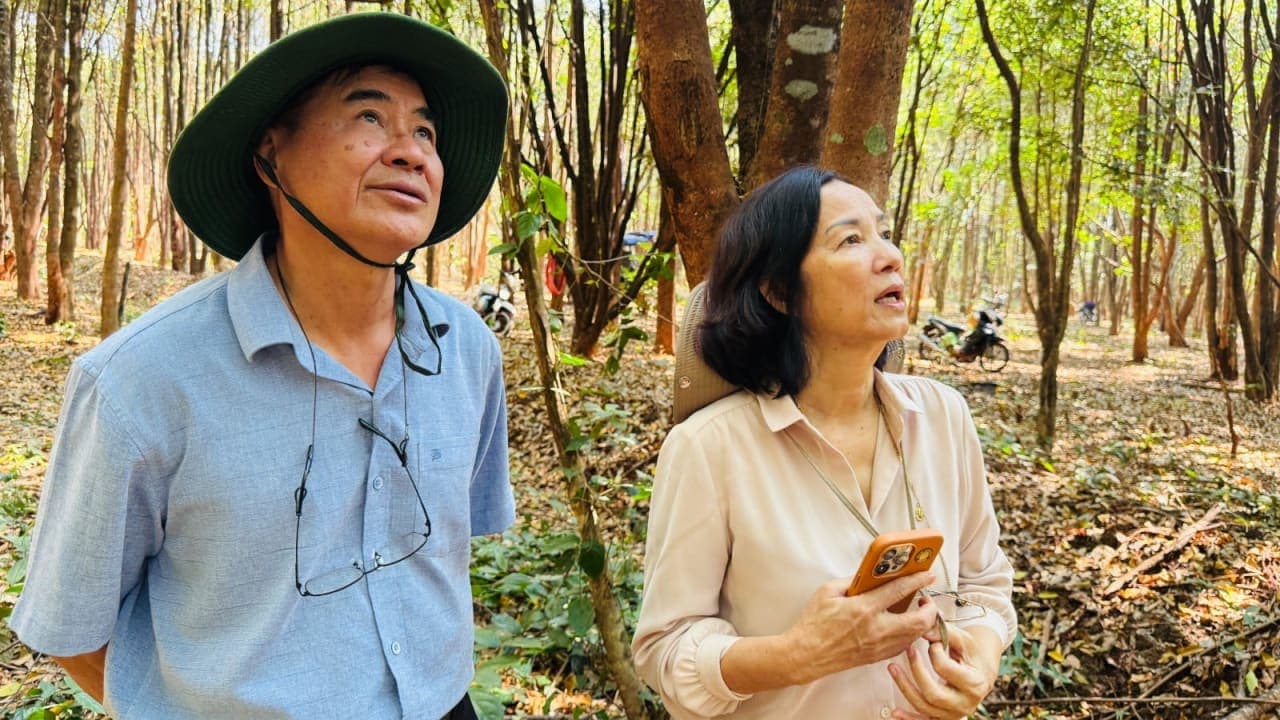
VOV.VN - In the context of increasing urbanization, the need to return to nature to restore physical and mental health is becoming a clear trend. New research on agarwood forest ecosystems shows that this is not only an economic resource but also a potential foundation for modern therapeutic retreat models.
Scientific basis from the specific ecosystem
According to analysis from experts, the Aquilaria tree – the plant species that creates agarwood – releases many volatile organic compounds (VOCs) into the environment during its growth and secondary compound accumulation process, typically Sesquiterpenes and Benzylacetone. These compounds are considered "natural antibiotics," capable of inhibiting bacteria and mold in the air.
This mechanism is similar to the phenomenon of "phytoncides" – a type of biological compound secreted by plants for self-protection, which also provides benefits to humans upon exposure. As a result, the agarwood forest environment can be likened to a "natural clean room," contributing to improved respiratory function and enhanced immunity through the activation of NK (Natural Killer) cell activity.
Besides that, the research also mentions the bio-energy index (Bovis) – an index used in some fields of bio-energy research to measure the vibration frequency of an environment. According to records, agarwood forests have an energy level ranging from 12,000 to 18,000 Bovis units, significantly higher than urban environments.
Although this concept still needs further verification from a modern scientific perspective, many opinions suggest that the natural environment can contribute to stabilizing circadian rhythms, improving sleep, and supporting the body's recovery process through the combined effects of air, light, and the ecosystem.
Positive impact on psychology and the nervous system
Another notable point is the impact of agarwood scent on the central nervous system. The characteristic aroma of agarwood has the ability to influence the limbic system – the brain's emotional control center. Some preliminary studies show that exposure to agarwood scent can help reduce cortisol levels (stress hormone), while promoting a state of relaxation through alpha brain waves.
Not stopping there, the agarwood forest environment also creates favorable conditions for meditation and mindfulness activities – methods that have been proven effective in reducing stress, improving mental health, and enhancing quality of life.
Shaping the therapeutic retreat model
From the above foundations, many experts propose developing a therapeutic retreat model associated with the agarwood forest ecosystem. Accordingly, infrastructure projects need to be designed in a minimalist, eco-friendly direction to maximize the conservation of the natural ecosystem.
Key activities may include "forest bathing" (Shinrin-yoku), meditation combined with incense ceremony experiences, as well as using products from the Aquilaria tree such as agarwood leaf tea or macrobiotic food. These are factors that contribute to creating a closed value chain, both effectively exploiting resources and ensuring sustainability.
Need for a cautious, scientific approach
However, experts also emphasize that the development of this model needs to be approached cautiously, based on a clear scientific basis, avoiding the absolutization of factors that have not been fully verified, such as the bio-energy index.
Combining biomedical, environmental, and tourism research will be a necessary direction to both effectively exploit the potential of agarwood forests and ensure the accuracy and reliability of scientific arguments.
Sustainable direction for the future
It can be seen that agarwood forests not only bring economic value but also open up a new development direction for the wellness tourism industry in Vietnam. If invested in a methodical and scientific manner, the therapeutic retreat model within the agarwood forest ecosystem can completely become a specialized product, contributing to improving the quality of life while preserving natural resources sustainably.